Why hotels use white bedding
·Wootera
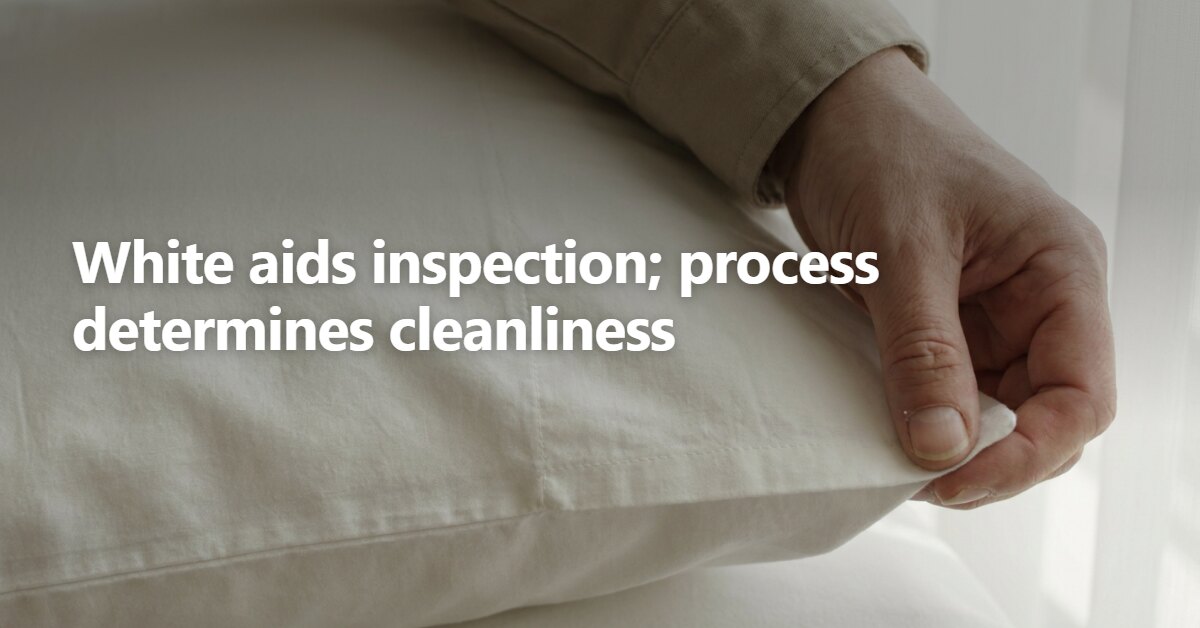
Hotels choose white bedding because it makes many stains, signs of wear and shade differences easier to see. It also allows compatible sheets, duvet covers and pillowcases to be used across different sets and replaced individually.
White bedding is not automatically more hygienic than coloured bedding. Hygiene depends on the complete laundry process, including washing, drying, handling, storage and inspection.
White bedding creates a clear visual standard
Guests do not see what happens in the laundry. They judge the bed as they enter the room.
Clean, evenly matched white linen gives housekeeping and guests a clear visual reference. It can reveal:
- stains and permanent marks
- greying or yellowing
- damaged seams and edges
- uneven wear
- shade differences between older and newer items
This visibility helps housekeeping identify linen that no longer meets the hotel's room standard. It also exposes inconsistencies. A grey pillowcase beside a newer duvet cover can make the whole bed look poorly maintained, even when both items have been washed correctly.
Appearance has limits. A bright white sheet does not prove that the correct laundry process was followed, and some contamination cannot be identified by sight. Visual inspection should support proper laundry controls, not replace them.
Hygiene depends on the complete laundry process
Fabric colour does not determine whether bedding is hygienic. The result depends on every stage between removing used linen from one room and placing clean linen in another.
A reliable process should cover:
- Sorting: Separate linen by material, colour, level of soiling and care requirements.
- Machine loading: Avoid loads that prevent the selected programme from working as intended.
- Washing: Use a programme and laundry products suitable for the fabric, care instructions and equipment.
- Drying: Dry linen completely under conditions suitable for the material. Damp storage can cause odours and damage the condition of the linen.
- Clean handling: Keep processed linen separate from used items, dirty surfaces and unsuitable transport equipment.
- Storage: Protect clean linen in a clean, dry area.
- Final inspection: Check every item before it reaches the guest room.
The final inspection should cover stains, odour, dryness, tears, damaged seams, excessive wear and overall appearance. With white linen, staff should also look for greying, yellowing and inconsistent shades. With coloured linen, they should check for fading and colour differences.
There is no single washing temperature, detergent or bleaching method suitable for every hotel textile. The correct process depends on the fibre, construction, care instructions, laundry products and available equipment. An unsuitable process can damage the fabric or produce uneven results.
White linen is easier to standardise and replace
The main operational advantage of white bedding is standardisation. When compatible white items are used across several rooms, housekeeping does not need to keep every original set together.
If one pillowcase is damaged, the hotel may be able to replace only that item instead of removing a complete coordinated set. Plain white linen also avoids the need to match a distinctive pattern or colour that may vary between production batches.
However, the description "white" does not make two products compatible. Hotels still need to match:
- dimensions and fit
- material and weave
- weight and feel
- closures and seam design
- shade of white
- expected shrinkage
- care requirements
Two white products can look noticeably different on the same bed. They may also crease, shrink or wear at different rates. Keep the product code, supplier specification, colour reference and an approved sample when planning future replacements.
Coloured and patterned bedding can work well
Coloured or patterned bedding can support a boutique concept, themed room or distinctive interior. It is not less hygienic because it is not white. The same laundry, handling, storage and inspection requirements apply.
The main difference is stock management. Hotels using coloured or patterned linen need to consider:
- colourfastness under the approved laundry process
- fading over time
- differences between production batches
- compatibility between old and new items
- future availability of matching replacements
Patterns may make some stains, fading or minor damage less obvious during a quick check. Housekeeping should therefore use defined inspection criteria rather than assess the bed only from the doorway.
Coloured linen is most practical when its contribution to the room design justifies the additional sorting, matching and replacement work. Another option is to use neutral core bedding and add colour through decorative layers. These items still need their own suitable cleaning and maintenance process.
Assess bedding in the room and the laundry
A catalogue image or isolated fabric sample cannot show how a full set will look after repeated washing. Before approving bedding, test it in an actual room and through the intended laundry process.
Review a complete set on the bed
Place the sample linen on the type of bed where it will be used. Review it in daylight and under the room lighting. Check whether the pieces look consistent and whether stains, damage and wear are easy enough to identify.
Lighting also matters during routine inspection. An item that looks acceptable in a dim laundry area may stand out beside other pieces in a bright guest room.
Confirm that the laundry can process it correctly
Check the care instructions, sorting requirements and suitable washing and drying programmes. Make sure the laundry can process the chosen fabric and colour without applying the same method to incompatible textiles.
Include housekeeping and laundry staff in the assessment. They may identify concerns that are not obvious in a purchasing specification, such as difficult closures, slow drying, excessive creasing or visible shade variation.
Set clear rules for replacement and removal
Record the dimensions, material, weight, construction, colour reference, product code and supplier details for every approved bedding specification. For coloured or patterned linen, decide how the hotel will handle batch differences or a discontinued design.
Staff also need written criteria for deciding whether an item is:
- suitable for a guest room
- suitable for another approved use
- repairable
- ready to be removed from service
Without clear criteria, staff may make different decisions about the same level of greying, fraying or permanent marking. An approved reference sample can help them assess questionable items consistently.
Before approving a bedding specification, ask:
- Can items from different sets be combined without an obvious mismatch?
- Can housekeeping identify stains, damage and wear reliably?
- Does the laundry process suit the exact fabric and finish?
- Are matching replacements likely to remain available?
- Is there a written rule for repair, reassignment and removal?
- Has the linen been assessed in a real guest room?
White remains a practical hotel standard, but it is not the only valid choice. The right bedding is the option your hotel can process correctly, inspect consistently and replace without creating obvious differences across the bed.
Frequently asked questions
Can white hotel bedding still be unhygienic?
Yes. A white appearance does not confirm that linen was washed, dried, handled or stored correctly. Hygiene depends on the complete process before the bedding reaches the room.
Does white bedding always make stains easier to see?
White makes many stains, areas of greying and signs of uneven wear more noticeable. However, not every type of contamination can be identified by sight. Visual inspection supports the laundry process but does not replace it.
Should hotels bleach all white bedding?
No. There is no universal bleaching method suitable for every white textile. Treatment should follow the fibre type, care instructions, laundry products and equipment. An unsuitable method can damage fibres or produce uneven results.
What should hotels match when replacing linen?
Match the dimensions, material, weave, weight, construction, closure and colour reference. Items sold under the same general colour name may still differ in shade, feel, shrinkage and wear, particularly when they come from different production batches.